






 Choosing a 3M reusable respirator is only half of the decision.
The next and arguably more important question is:
Which filter or cartridge should you put on it?
3M's reusable respirator system includes N95, P95 and P100 particulate filters, organic vapor cartridges, acid gas cartridges, ammonia cartridges, formaldehyde cartridges, multi-gas cartridges, combination P100 cartridges, prefilters, retainers and adapters.
To someone seeing all those model numbers for the first time, products like 5N11, 5P71, 2091, 2097, 6001, 60921 and 60926 can look like variations of the same thing.
They aren't.
A 3M 2091 P100 filter and a 3M 6001 Organic Vapor Cartridge solve fundamentally different respiratory protection problems.
And choosing the wrong one can mean wearing a respirator that does not protect against the contaminant you're actually exposed to.
This guide breaks the 3M bayonet style filter and cartridge system into understandable categories so you can see what each component is designed to do, how the pieces fit together, and why one configuration may be appropriate for a job while another is not.
If you're new to reusable respirators, read our Complete Guide to 3M Reusable Respirators first. It explains the 6000, 6500QL and 7500 Series facepieces and how the overall system works.
3M Respirator Filter & Cartridge Quick Reference Chart
| 3M Model | Type | Primary Protection | Particulate Rating |
|---|---|---|---|
| 5N11 | Particulate filter/prefilter | Certain non-oil particles | N95 |
| 5P71 | Particulate filter/prefilter | Certain oil and non-oil particles | P95 |
| 2091 | Particulate filter | Certain oil and non-oil particles | P100 |
| 2097 | Particulate/odor filter | P100 + nuisance level organic vapor relief | P100 |
| 7093 | Hard case particulate filter | Certain oil and non-oil particles | P100 |
| 6001 | Gas/vapor cartridge | Certain organic vapors | None by itself |
| 6002 | Gas/vapor cartridge | Specified acid gases | None by itself |
| 6003 | Gas/vapor cartridge | Certain organic vapors + specified acid gases | None by itself |
| 6004 | Gas/vapor cartridge | Ammonia and methylamine | None by itself |
| 6005 | Gas/vapor cartridge | Formaldehyde + certain organic vapors | None by itself |
| 6006 | Multi gas/vapor cartridge | Multiple specified gases/vapors | None by itself |
| 60921 | Combination cartridge/filter | Certain organic vapors + particles | P100 |
| 60922 | Combination cartridge/filter | Specified acid gases + particles | P100 |
| 60923 | Combination cartridge/filter | Certain organic vapors + specified acid gases + particles | P100 |
| 60924 | Combination cartridge/filter | Ammonia/methylamine + particles | P100 |
| 60925 | Combination cartridge/filter | Formaldehyde + certain organic vapors + particles | P100 |
| 60926 | Combination multi gas/filter | Multiple specified gases/vapors + particles | P100 |
Important: this chart is a starting point, not a substitute for contaminant identification, exposure assessment, the applicable 3M selection information, NIOSH approval, Safety Data Sheet, or workplace respiratory protection program.
Filters vs. Cartridges vs. Combination Cartridges
Nearly every product in this guide falls into one of three basic categories.
1. Particulate Filters
 Particulate filters capture airborne particles.
Depending on the hazard and filter approval, particles can include certain:
- Dusts
- Fibers
- Mists
- Metal fumes
- Grinding particles
- Wood dust
- Fiberglass
- Other oil or non-oil particulate aerosols
The important thing to remember is that a particulate filter deals with particles.
It does not automatically protect against gases or vapors.
2. Gas and Vapor Cartridges
 A gas/vapor cartridge uses sorbent material to capture specified gases or vapors.
Different cartridges are designed for different chemical families.
For example, the 3M 6001 is intended for certain organic vapors, while the 6002 addresses specified acid gases and the 6004 is intended for ammonia and methylamine.
A cartridge that protects against one contaminant should never be assumed to protect against another.
3. Combination Cartridges/Filters
 A combination product handles specified gases or vapors while also incorporating particulate filtration.
The 60900 family is the easiest example.
The 60923, for instance, combines specified organic vapor/acid gas protection with P100 particulate filtration.
3M Particulate Filters Explained
If the respiratory hazard consists of particles and an air purifying respirator is appropriate, you generally start by determining the necessary particulate filter class.
- N95: at least 95% filtration; not resistant to oil
- P95: at least 95% filtration; strongly resistant to oil
- P100: at least 99.97% filtration; strongly resistant to oil
We explain these ratings in more detail in our N95 vs. P95 vs. P100 Respirator Guide.
3M 5N11 N95 Particulate Filter

The 5N11 is a replaceable N95 particulate filter.
One of its most common uses is as a particulate prefilter installed over a compatible 3M 6000 Series gas/vapor cartridge.
Reusable Facepiece → Gas/Vapor Cartridge → 5N11 Filter → 501 Retainer
The cartridge handles its specified gases/vapors while the 5N11 adds N95 particulate filtration.
3M 5P71 P95 Particulate Filter

The 5P71 uses the same general prefilter concept as the 5N11 but carries a P95 classification.
A common approved concept combines:
3M 2091 P100 Particulate Filter
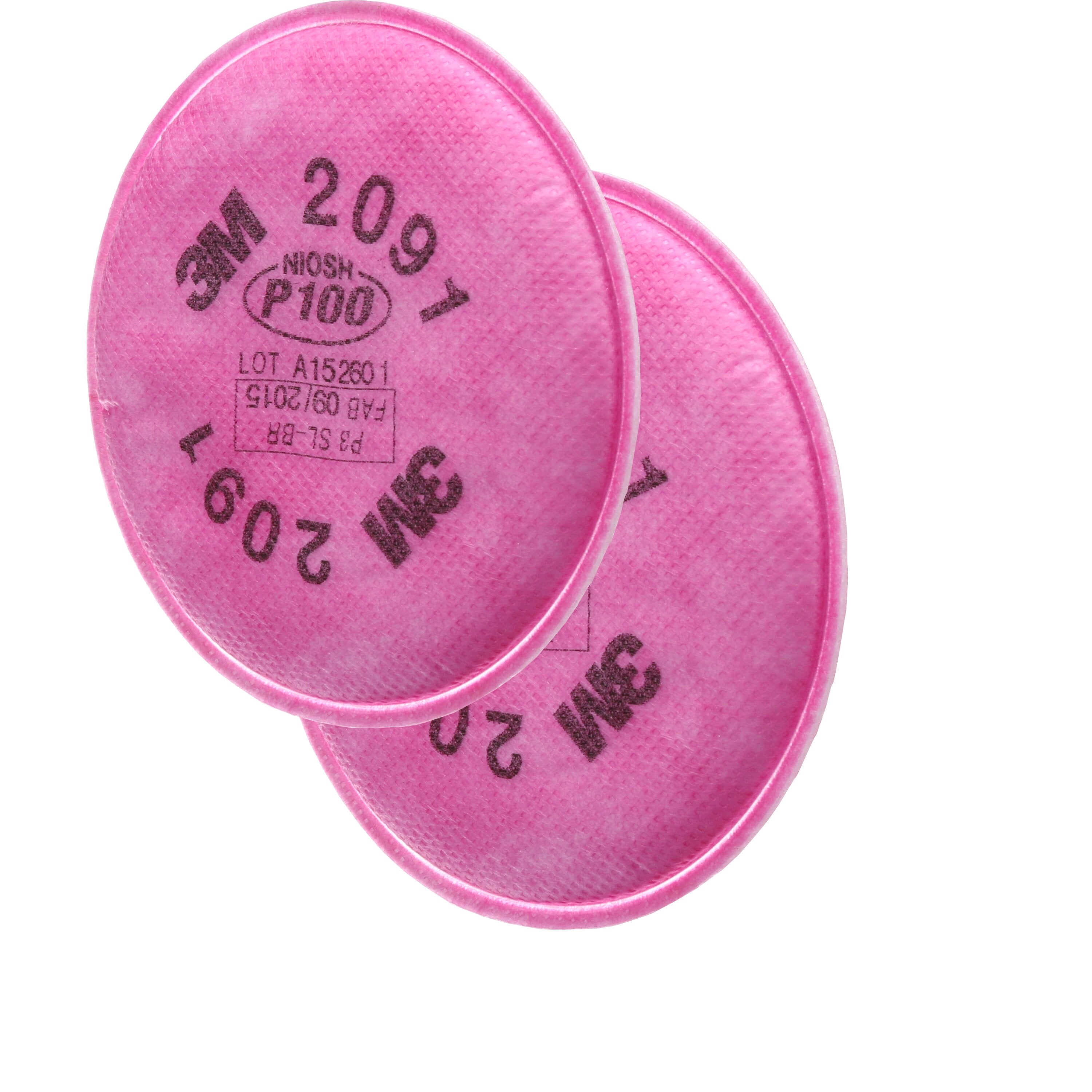
The 2091 is a P100 particulate filter offering at least 99.97% filtration efficiency under applicable NIOSH testing and strong resistance to oil.
3M 2097 P100 Filter with Nuisance-Level Organic Vapor Relief
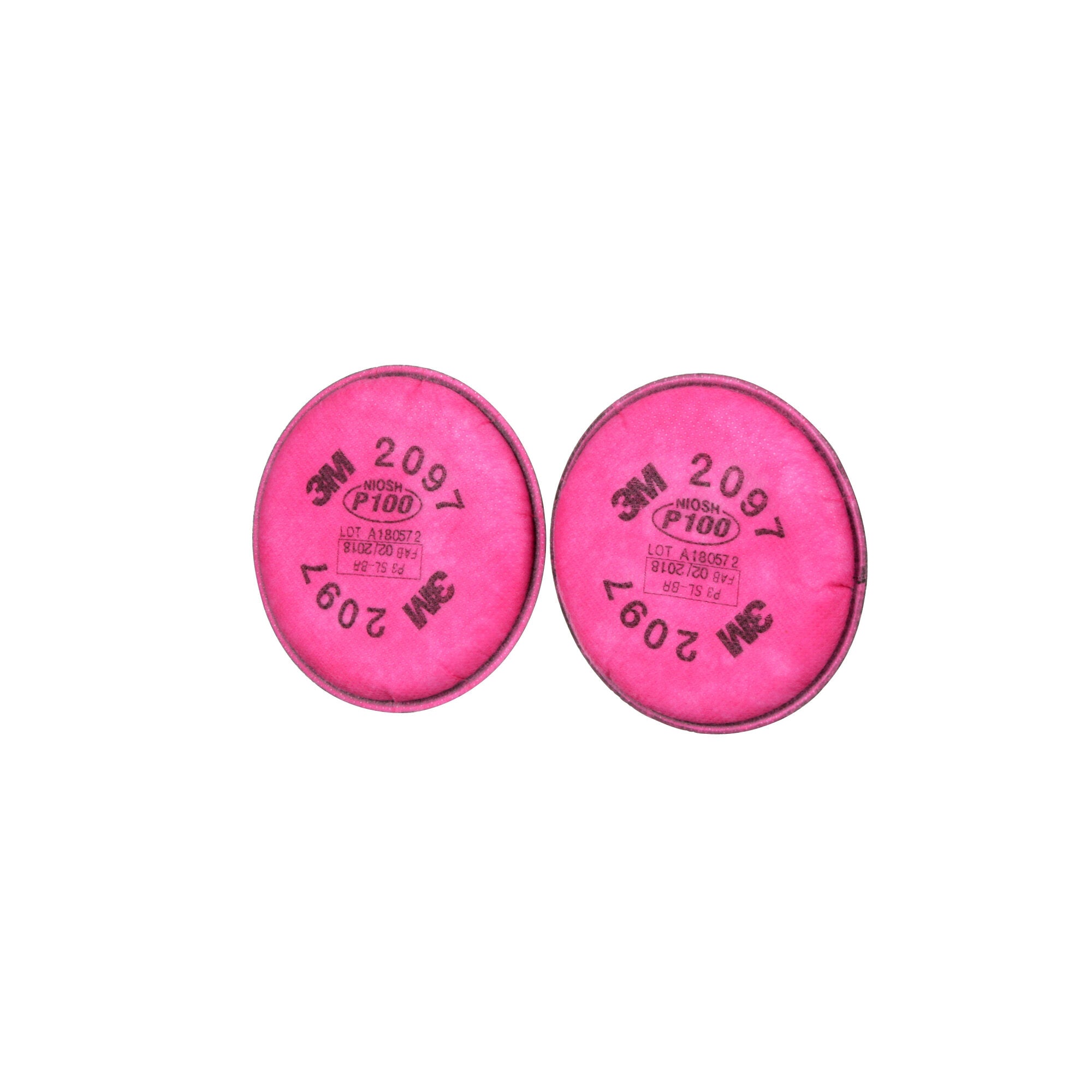
Like the 2091, the 2097 is a P100 particulate filter, but it also provides nuisance level organic vapor relief.
That does not make it equivalent to the 6001 Organic Vapor Cartridge.
3M 7093 P100 Hard Case Filter

The 7093 is another P100 particulate filter with its media enclosed in a hard case, offering additional physical protection in demanding environments.
3M 6000 Series Gas & Vapor Cartridges
3M 6001 Organic Vapor Cartridge

The 6001 is intended for protection against certain organic vapors when used within its approved configurations and limitations.
3M 6002 Acid Gas Cartridge
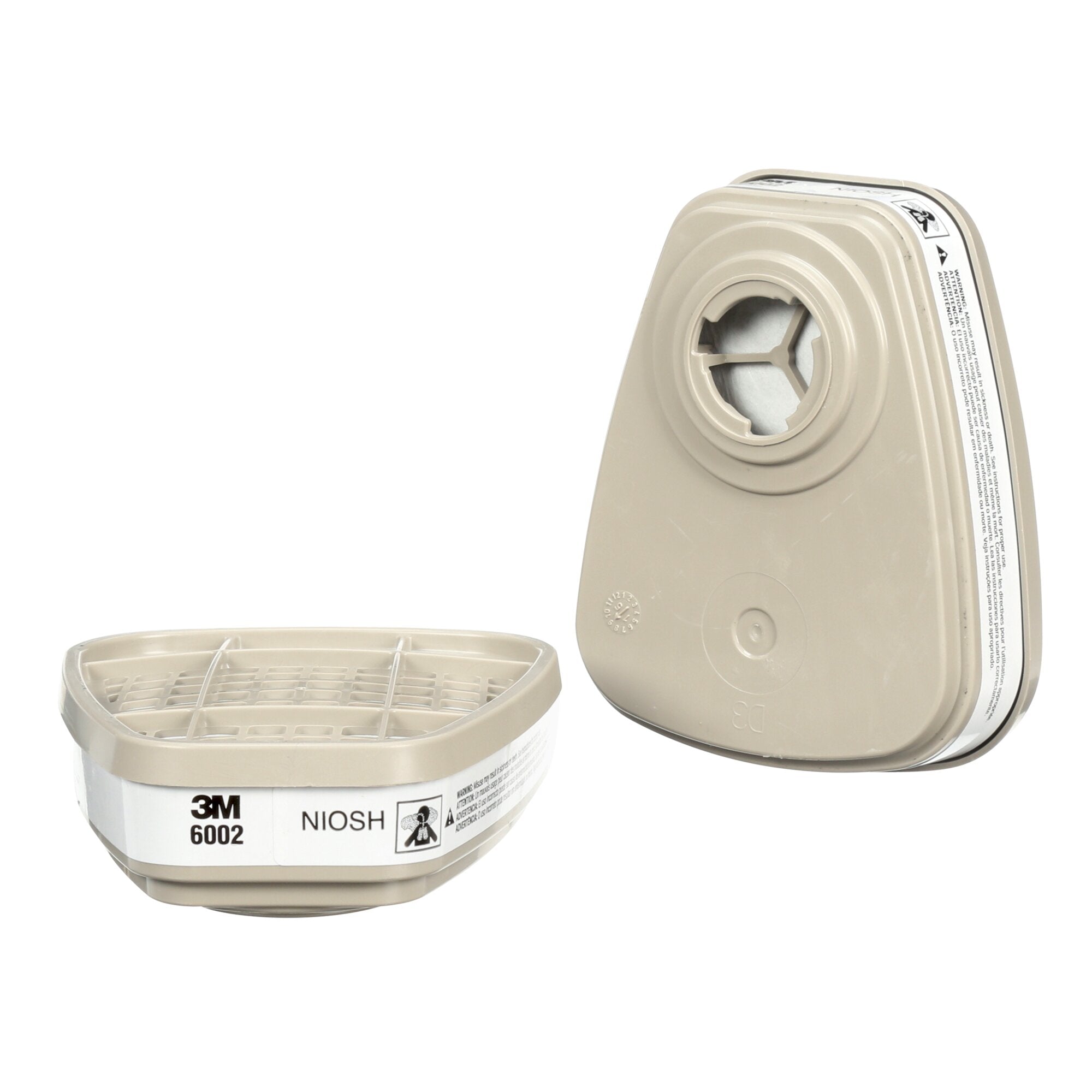
The 6002 is designed for specified acid gases.
Depending on its applicable approval, this can include contaminants such as chlorine, hydrogen chloride, sulfur dioxide, chlorine dioxide, or hydrogen sulfide.
This makes it fundamentally different from the 6001 organic vapor cartridge.
3M 6003 Organic Vapor/Acid Gas Cartridge
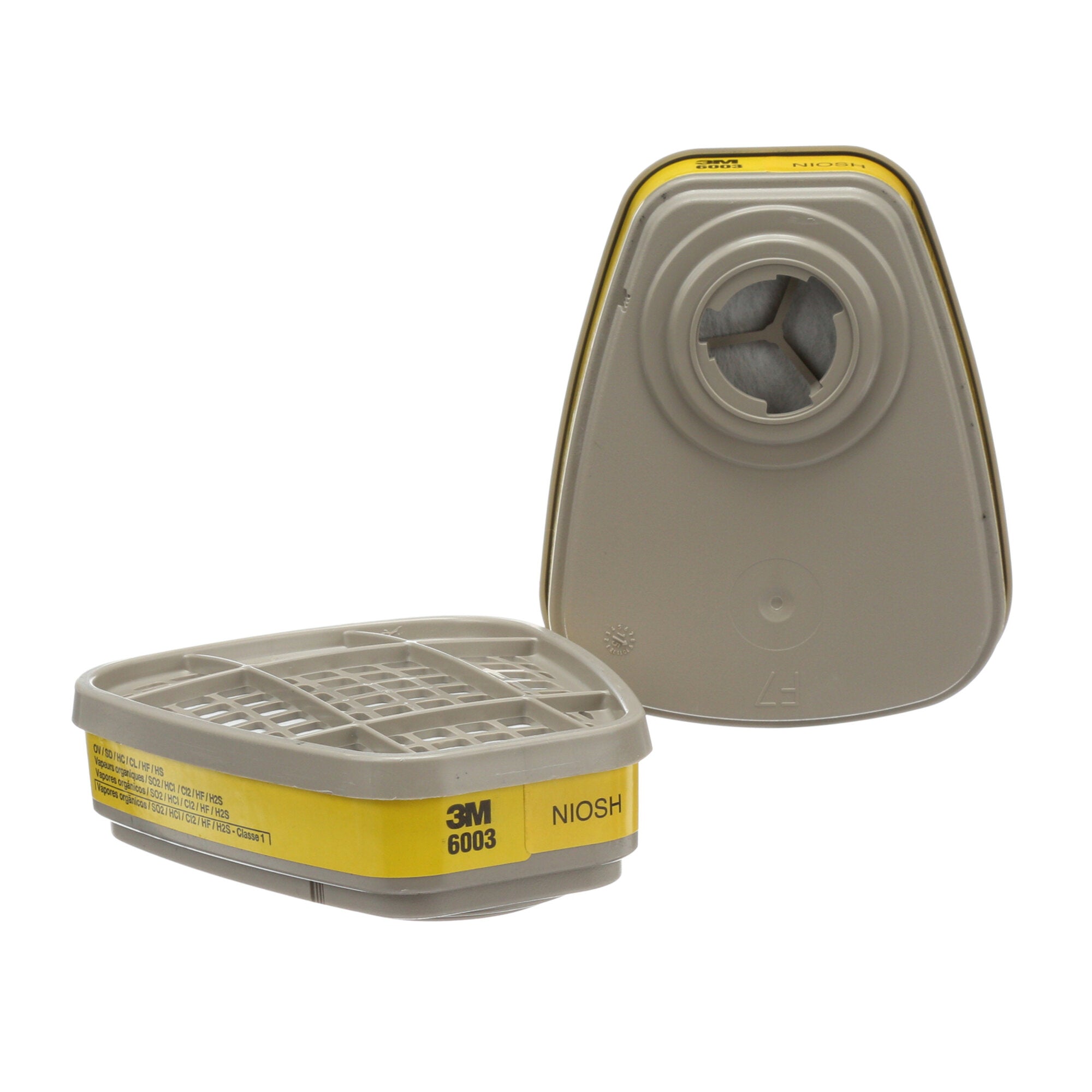
The 6003 combines specified organic vapor and acid-gas protection.
It does not automatically provide particulate filtration, so an appropriate prefilter may still be required where particles are present.
3M 6004 Ammonia/Methylamine Cartridge
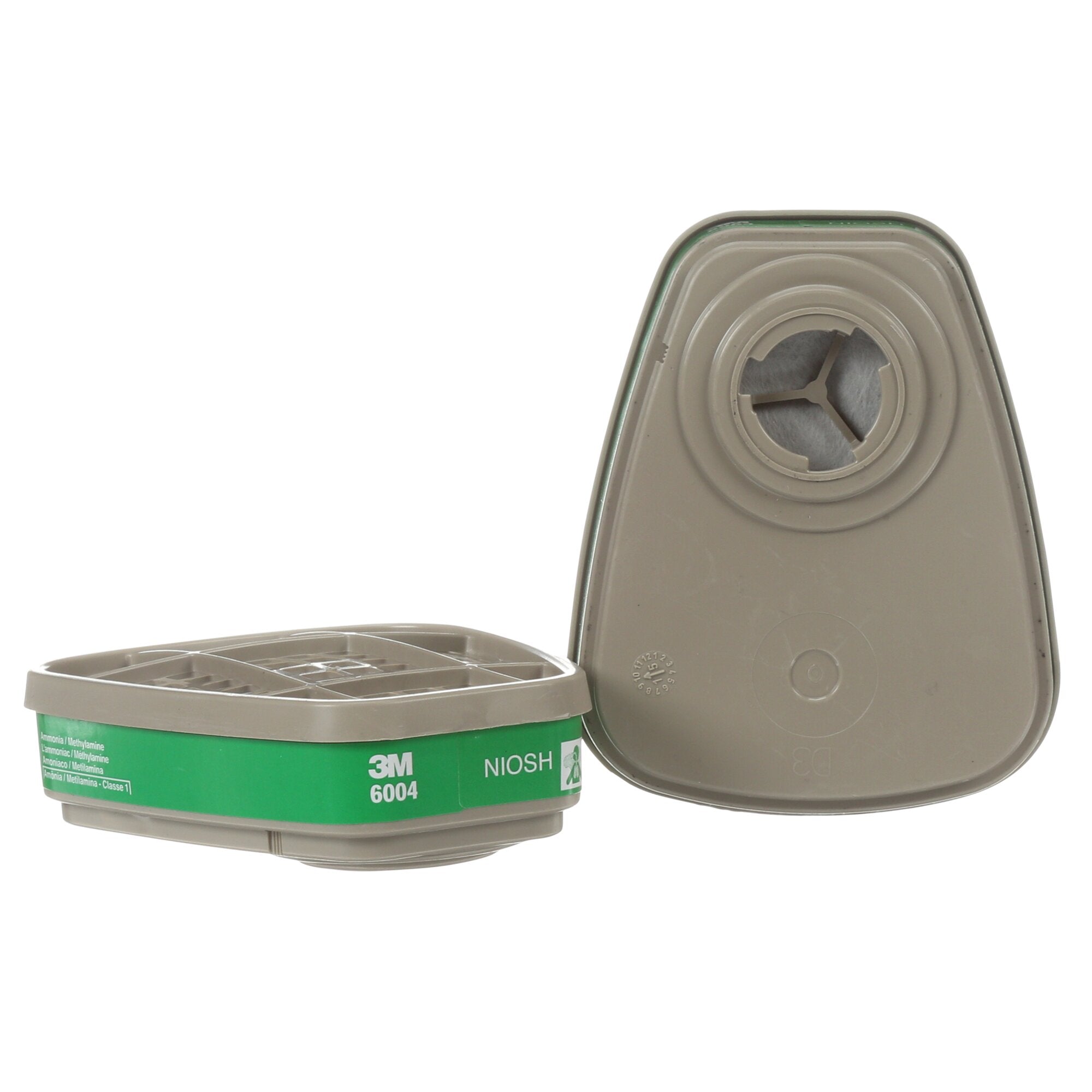
The 6004 is designed for specified ammonia and methylamine exposures.
This is a good example of why respirator cartridges should never be chosen by appearance alone.
3M 6005 Formaldehyde/Organic Vapor Cartridge
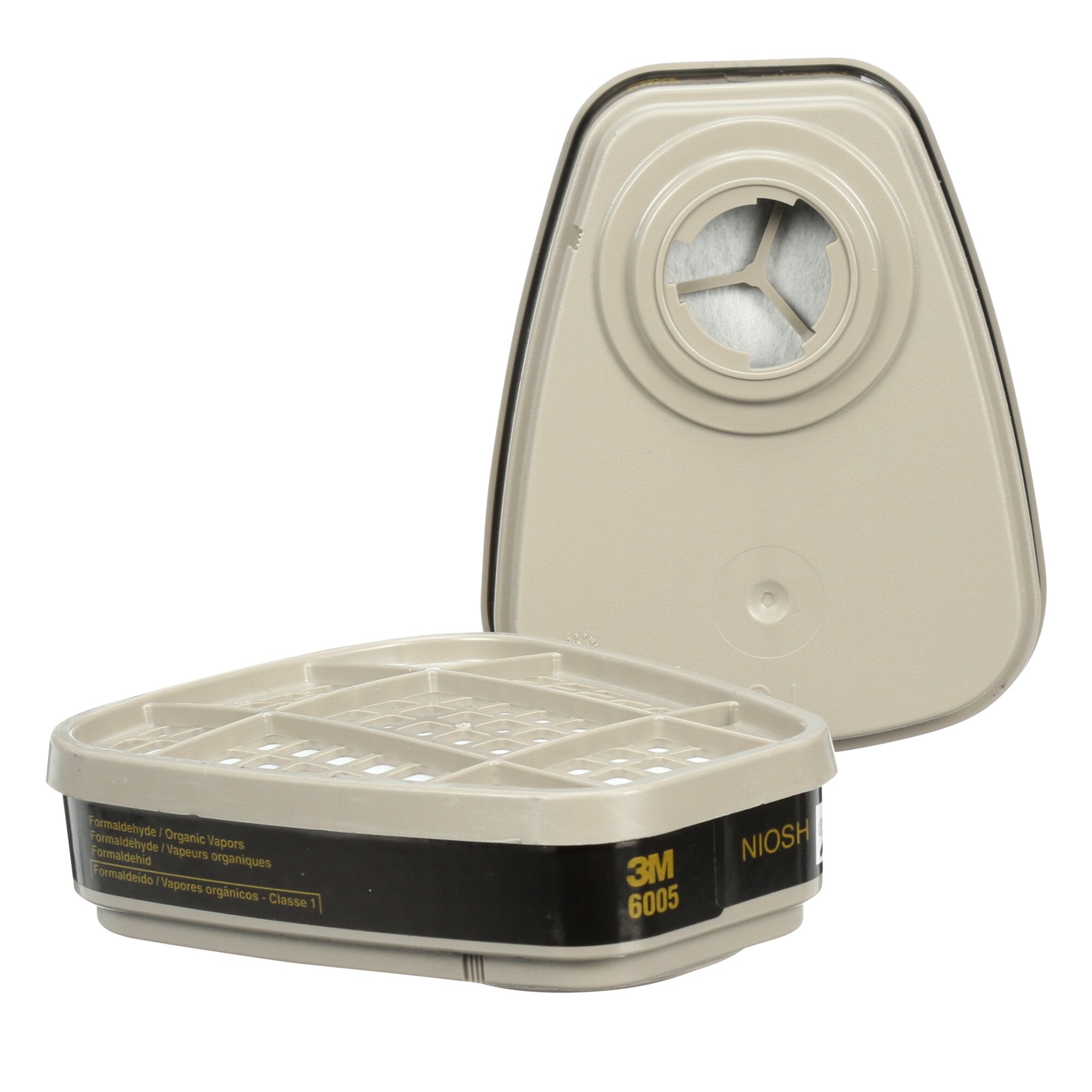
The 6005 is designed for formaldehyde and certain organic vapors.
3M 6006 Multi-Gas/Vapor Cartridge
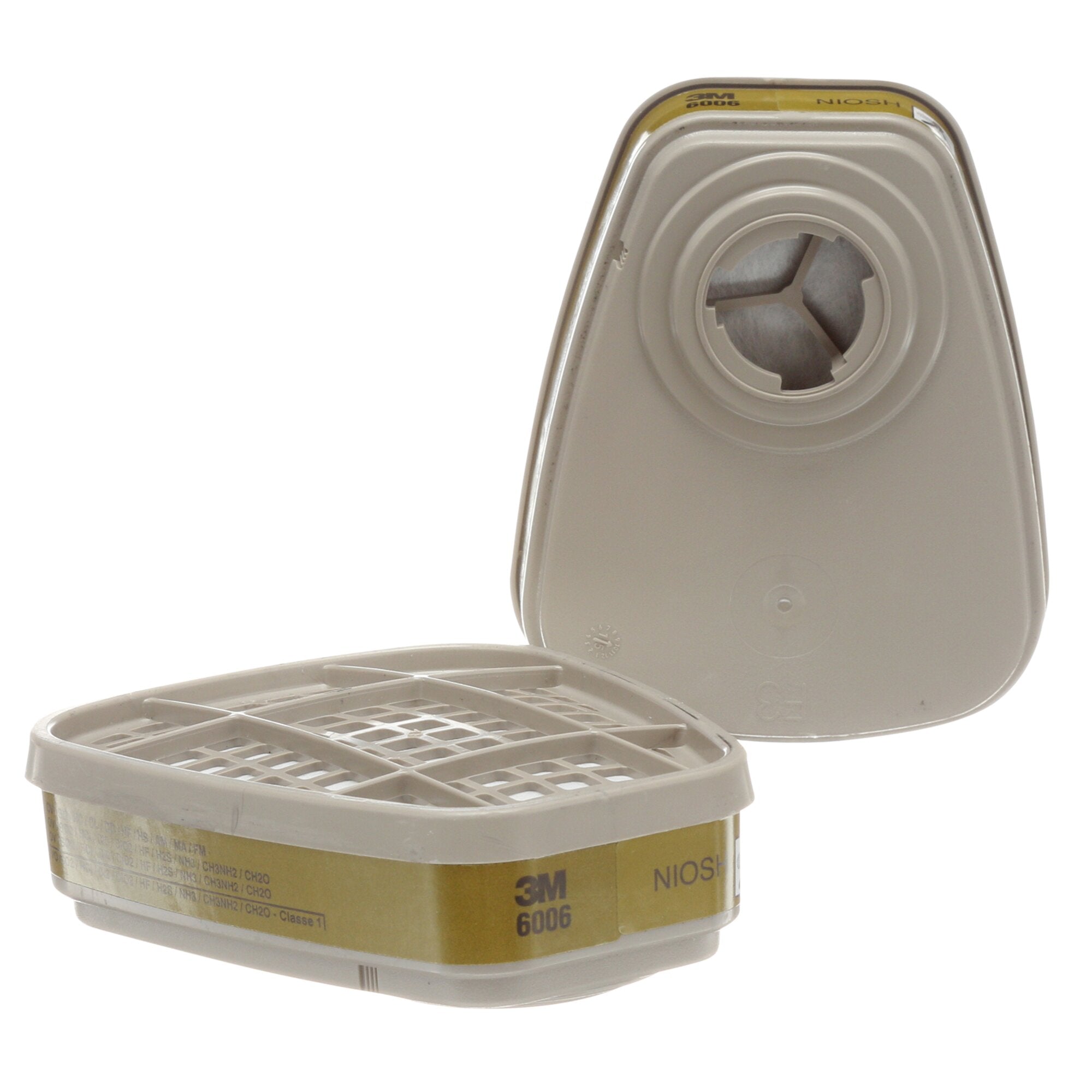
The 6006 provides broader specified gas/vapor coverage than the more specialized 6000 series cartridges.
“Multi-gas” still does not mean “everything.” The exact contaminant must fall within the cartridge's approval and use limitations.
3M 60900 Series: Gas/Vapor Cartridges with P100 Filters
The 60900 family combines specified gas/vapor protection with integrated P100 particulate filtration.
3M 60921 Organic Vapor/P100
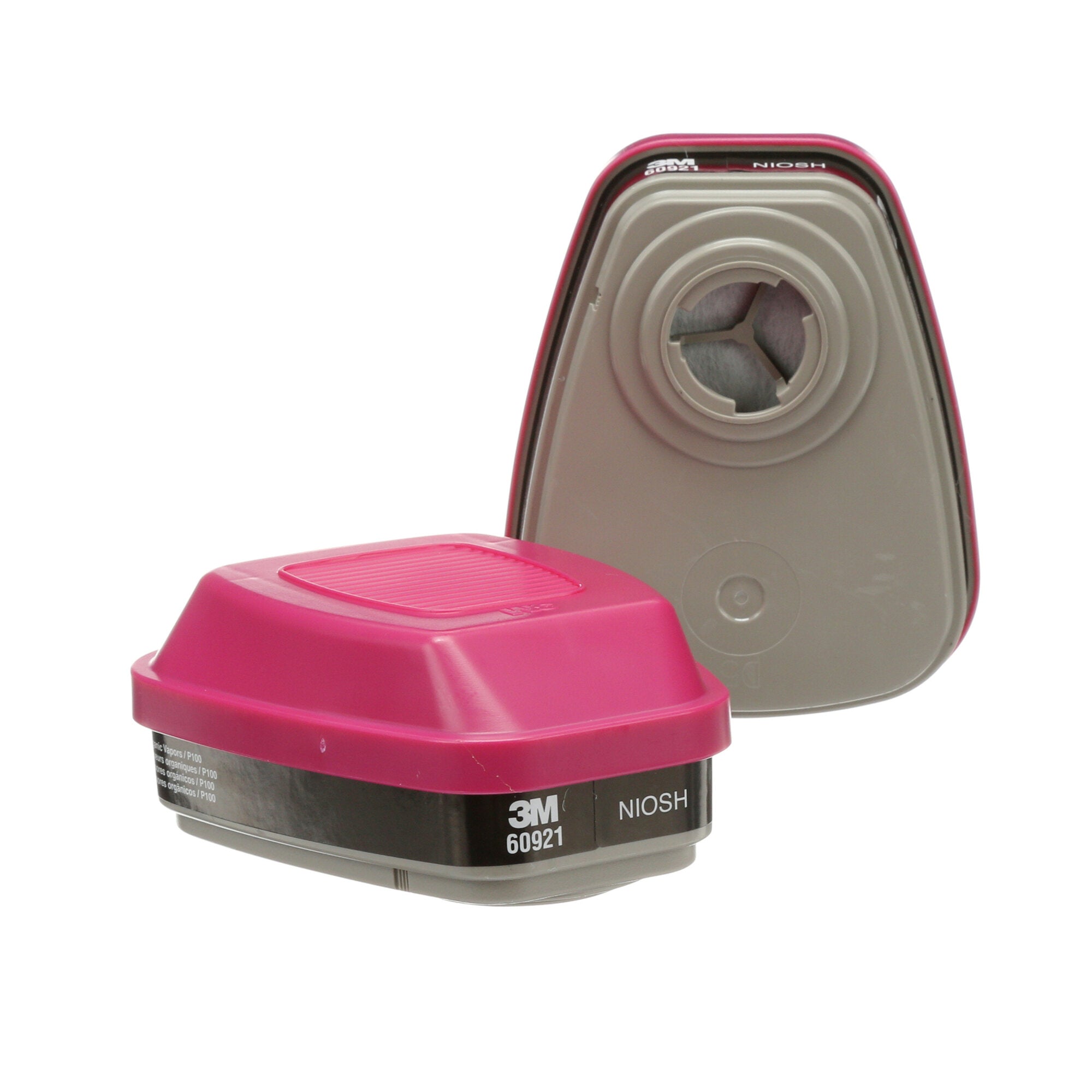
The 60921 combines certain organic vapor protection with P100 particulate filtration.
Think of the general concept as:
Organic Vapor Cartridge + P100 Filter in One Assembly
3M 60922 Acid Gas/P100
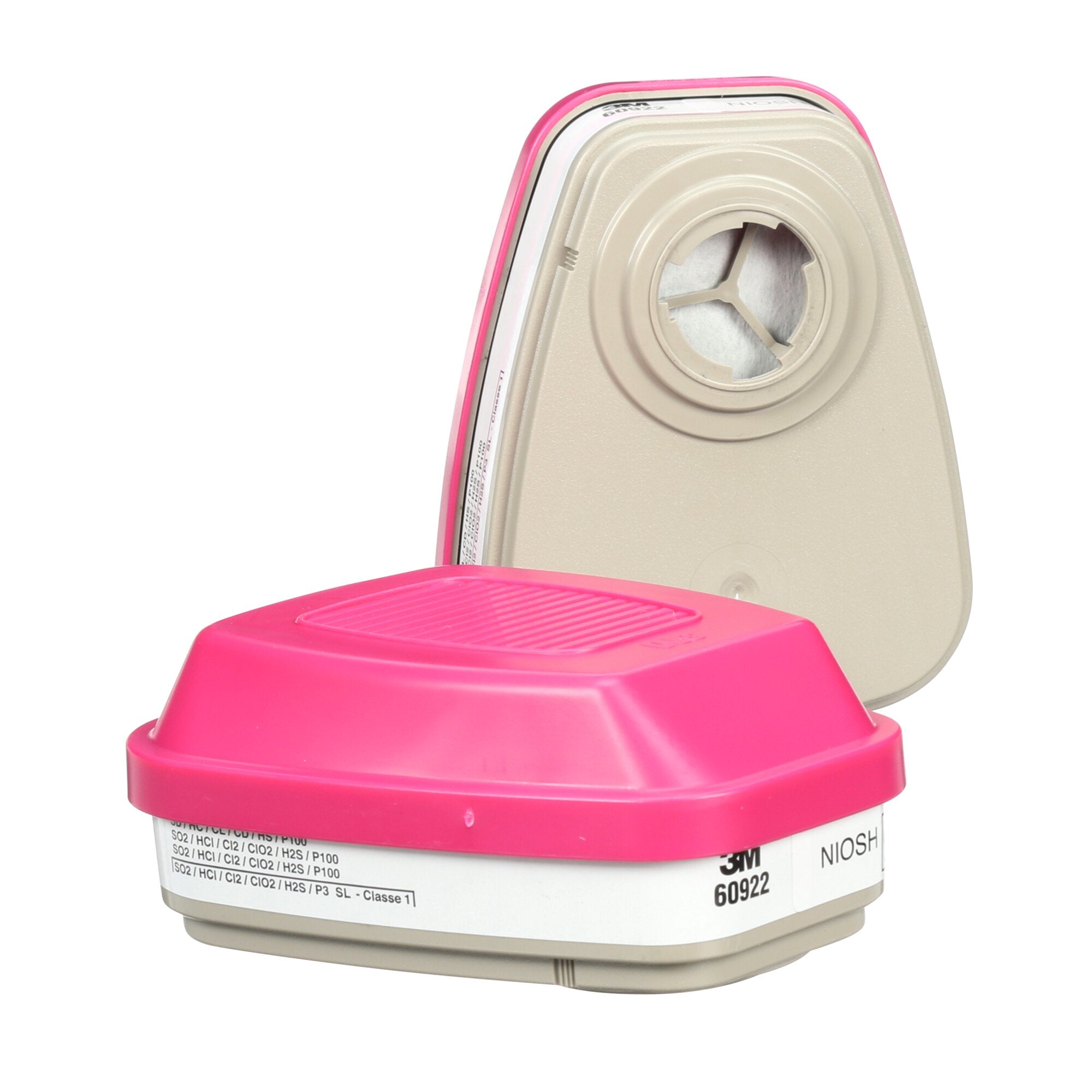
The 60922 combines specified acid-gas protection with P100 particulate filtration.
3M 60923 Organic Vapor/Acid Gas/P100

The 60923 combines:
- Certain organic vapor protection
- Specified acid gas protection
- P100 particulate filtration
3M 60924 Ammonia/Methylamine/P100
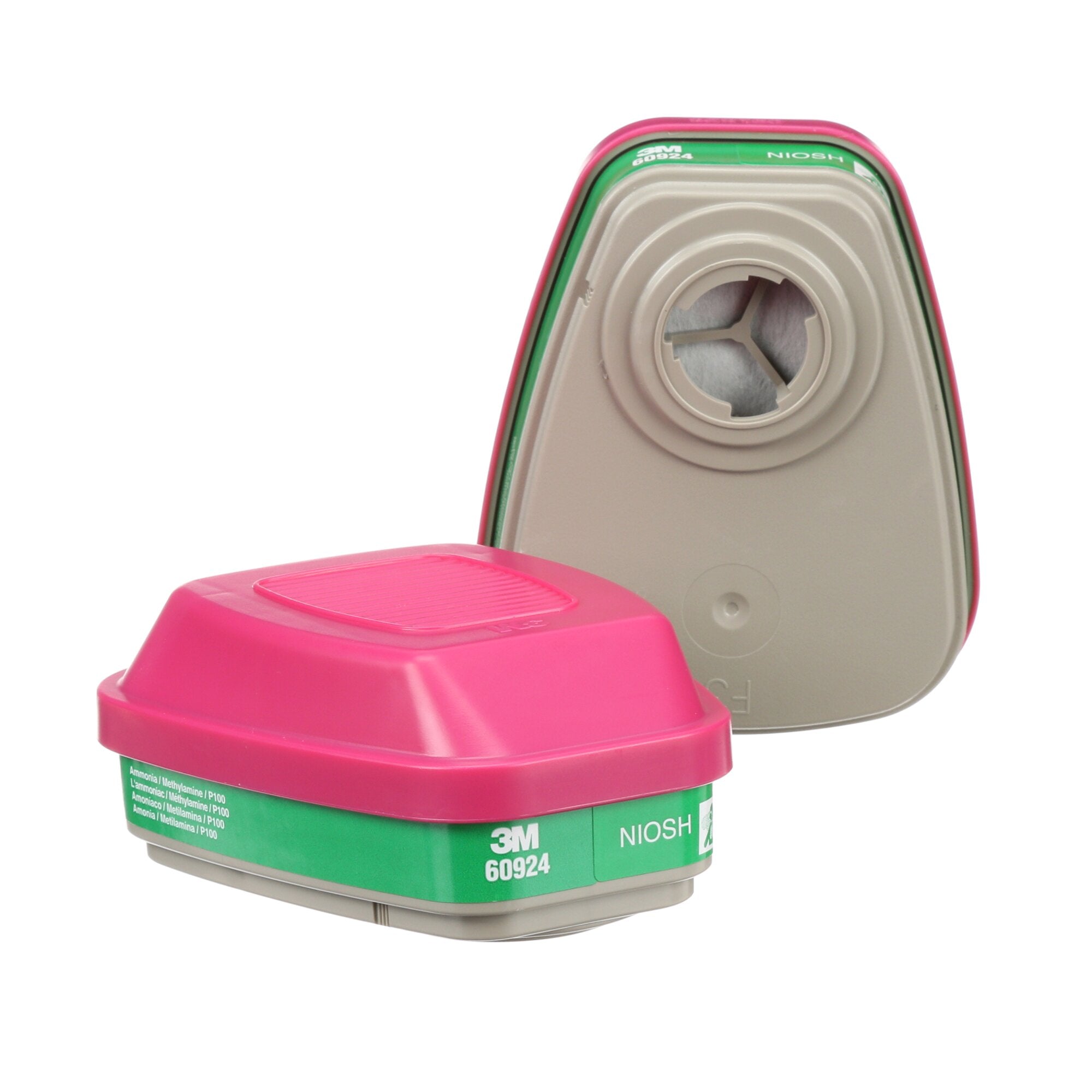
The 60924 combines specified ammonia/methylamine protection with P100 particulate filtration.
3M 60925 Formaldehyde/Organic Vapor/P100
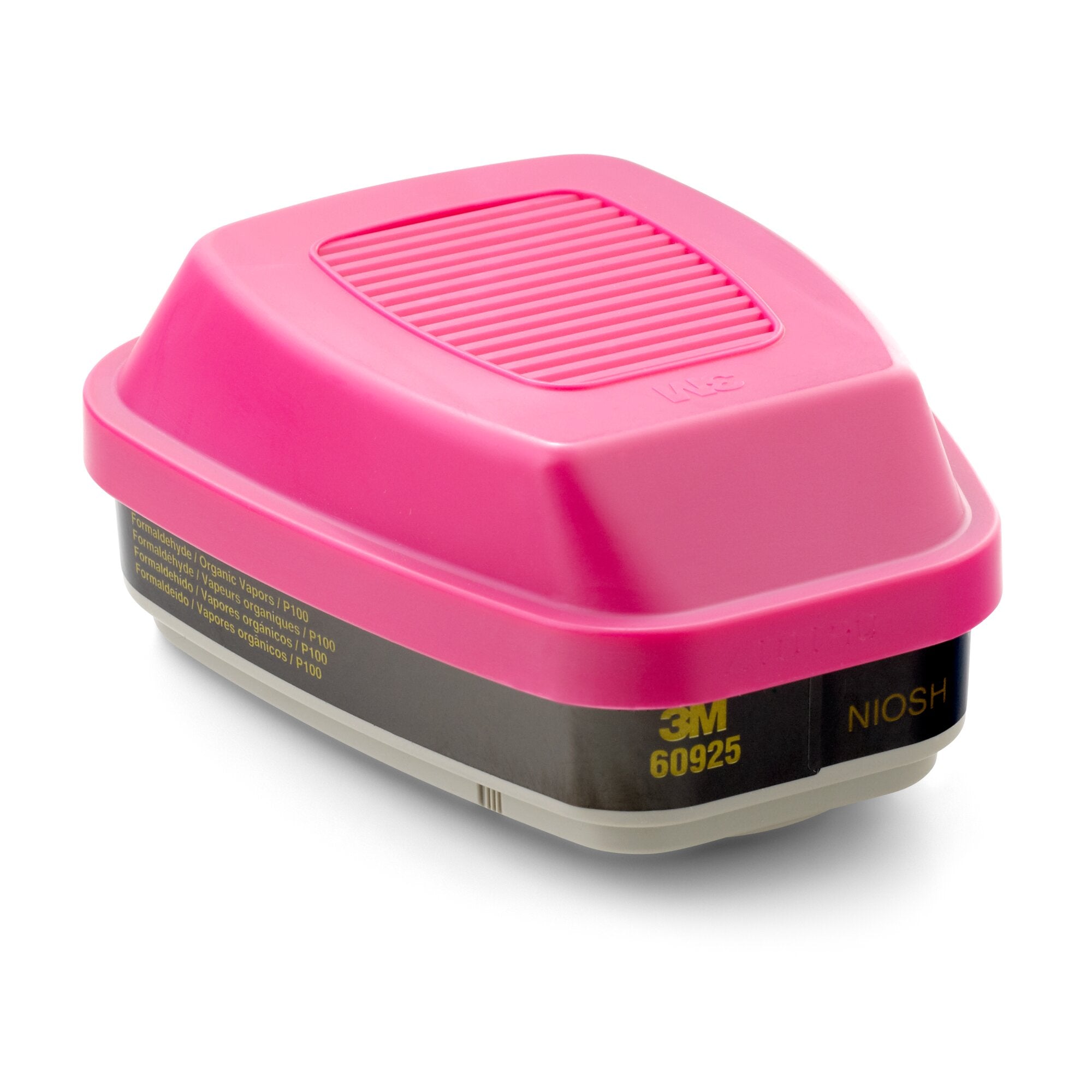
The 60925 combines formaldehyde/certain organic vapor protection with P100 particulate filtration.
3M 60926 Multi-Gas/Vapor/P100
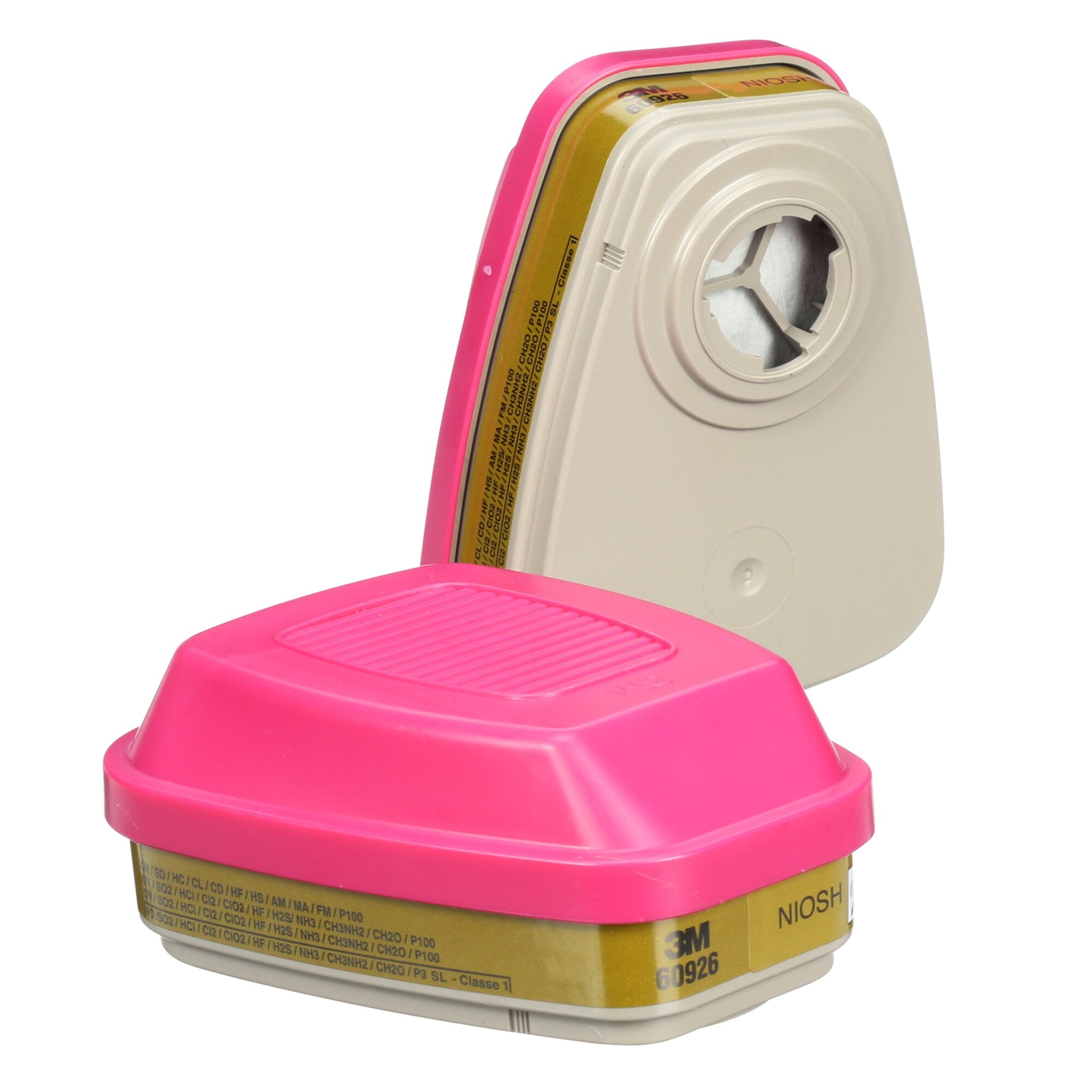
The 60926 combines broader multi-gas/vapor protection with P100 particulate filtration.
Because of its broad coverage, it can look like the obvious “use this for everything” cartridge.
Don't use it that way. Respirator selection still depends on exact contaminant, concentration, approval limitations, service life, and workplace conditions.
What About the 3M 60928?
EIO also carries the 3M 60928 Organic Vapor/Acid Gas/P100 Cartridge/Filter.
Always review the exact 3M and NIOSH approval information for specialized cartridge numbers before substituting one for another.
3M 501 Retainer, 603 Adapter and Prefilter System
3M 501 Filter Retainer

The 501 is not itself a filter. It secures compatible 5N11 N95 or 5P71 P95 filters in approved configurations.
3M 603 Filter Adapter

The 603 allows compatible 5N11 or 5P71 filters to be used with a 501 retainer in specified particulate only configurations.
6001 + 5P71 vs. 60921: What's the Difference?
| Configuration | Vapor Protection | Particulate Protection | Design |
|---|---|---|---|
| 6001 + 5P71 + 501 | Certain organic vapors | P95 | Separate cartridge, prefilter and retainer |
| 60921 | Certain organic vapors | P100 | Integrated cartridge/filter |
2091 vs. 2097 vs. 7093: Which P100 Filter?
| Filter | P100 | Additional Feature |
|---|---|---|
| 2091 | Yes | Straightforward flexible particulate filter |
| 2097 | Yes | Nuisance level organic vapor relief |
| 7093 | Yes | Hard case construction |
How to Choose the Right 3M Filter or Cartridge
- Identify the contaminant.
- Determine whether it is a particle, gas, vapor, or combination.
- Determine the airborne concentration.
- Determine whether oil aerosols are present.
- Verify the required protection factor.
- Check the complete NIOSH approved respirator configuration.
- Review all use limitations.
Common Jobs and the Filter/Cartridge Question
Woodworking
For wood dust alone, an appropriate particulate filter may be enough when supported by the hazard assessment. Once solvent based stains, finishes, or adhesives are introduced, vapor protection may also be necessary.
See our Best Respirator for Woodworking guide.
Concrete and Silica
Silica is a particulate hazard, but respirator selection must still account for OSHA requirements, task, engineering controls, exposure level and required APF.
See our Silica Dust Respirator Guide.
Welding
Metal fumes are particulate, but welding can also introduce gases and other hazards depending on process and material.
See our Best Respirator for Welding guide.
Painting
Depending on the coating and application method, painting may involve both organic vapors and airborne particulate or paint mist.
A configuration such as 6001 organic vapor cartridges with 5P71 P95 filters may be appropriate for certain applications.
How Long Do 3M Respirator Filters Last?
 Particulate filters are generally replaced based on damage, contamination, loading, increased breathing resistance, manufacturer instructions, and workplace requirements.
How Long Do 3M Gas/Vapor Cartridges Last?
Gas/vapor cartridge service life depends on factors including:
- Contaminant
- Concentration
- Temperature
- Humidity
- Breathing rate
- Workload
- Cartridge type
- Storage conditions
Do not rely on smell as a universal cartridge change schedule.
Do 3M Filters and Cartridges Fit Every 3M Respirator?
No.
The products discussed here primarily use the traditional 3M bayonet connection system.
3M Secure Click respirators use a different attachment system and their own filters and cartridges.
Don't Forget Fit Testing
 Choosing the correct cartridge does not help if contaminated air leaks around the facepiece.
Read our OSHA Respiratory Protection Requirements Guide for information about medical evaluation, fit testing, training and written programs.
Frequently Asked Questions About 3M Filters & Cartridges
What is the difference between a respirator filter and cartridge?
A particulate filter captures particles. A gas/vapor cartridge is designed for specified gases or vapors. Combination products can provide both types of protection.
What is the difference between 5N11 and 5P71?
The 5N11 is N95 and not resistant to oil. The 5P71 is P95 and strongly resistant to oil.
What is the difference between 6001 and 6002?
The 6001 is for certain organic vapors. The 6002 is for specified acid gases.
What is the difference between 6001 and 6003?
The 6001 addresses certain organic vapors, while the 6003 adds specified acid-gas protection.
What is the 6004 used for?
The 6004 is intended for specified ammonia and methylamine exposures.
What is the 6006 used for?
The 6006 is a multi-gas/vapor cartridge for a broader set of specified gases and vapors within its approval.
What is the difference between 6001 and 60921?
The 6001 is an organic vapor cartridge without integrated particulate filtration. The 60921 combines certain organic vapor protection with P100 particulate filtration.
What is the difference between 6002 and 60922?
The 6002 provides specified acid-gas protection, while the 60922 adds integrated P100 particulate filtration.
What is the difference between 6004 and 60924?
The 6004 provides specified ammonia/methylamine protection, while the 60924 adds P100 particulate filtration.
Which 3M filter should I use for sanding?
If sanding produces only an appropriate particulate hazard, an appropriate N95, P95, or P100 filter may be considered depending on the exposure and environment. Coatings or treated materials can introduce additional hazards.
Which 3M cartridge should I use for painting?
There is no universal paint cartridge. Certain solvent-based applications may use an appropriate organic-vapor cartridge with particulate filtration, but the exact coating, solvent, SDS, concentration, and application method must be evaluated.
Shop 3M Respirator Filters & Cartridges at EIO
Particulate Filters
- 3M 5N11 N95 Filter
- 3M 5P71 P95 Filter
- 3M 2091 P100 Filter
- 3M 2097 P100 Filter
- 3M 7093 P100 Hard-Case Filter
Gas & Vapor Cartridges
- 3M 6001 Organic Vapor Cartridge
- 3M 6002 Acid Gas Cartridge
- 3M 6003 Organic Vapor/Acid Gas Cartridge
- 3M 6004 Ammonia/Methylamine Cartridge
- 3M 6005 Formaldehyde/Organic Vapor Cartridge
- 3M 6006 Multi-Gas/Vapor Cartridge
P100 Combination Cartridges
- 3M 60921 Organic Vapor/P100
- 3M 60922 Acid Gas/P100
- 3M 60923 Organic Vapor/Acid Gas/P100
- 3M 60924 Ammonia/Methylamine/P100
- 3M 60925 Formaldehyde/Organic Vapor/P100
- 3M 60926 Multi-Gas/Vapor/P100
- 3M 60928 Organic Vapor/Acid Gas/P100
Adapters & Retainers
Shop all Reusable Respirators at EIO or browse EIO's complete Respiratory Protection collection.
For help choosing the facepiece itself, read The Complete Guide to 3M Reusable Respirators.
Respirator Safety Disclaimer
This article provides general educational information and is not a substitute for a workplace hazard assessment, exposure monitoring, Safety Data Sheets, manufacturer instructions, NIOSH approvals, professional industrial-hygiene advice, or an employer's respiratory protection program.
Respirator selection depends on the contaminant, concentration, exposure limit, required protection factor, atmosphere, work conditions, individual fit and applicable regulations.
Never select a filter or cartridge solely because it physically attaches to a facepiece. Use only components and combinations approved by the manufacturer and NIOSH for the intended application.
Particulate filters do not automatically provide gas or vapor protection. Nuisance-level odor relief does not constitute protection against hazardous concentrations of gases or vapors.
Air-purifying respirators do not supply oxygen and must not be used in oxygen-deficient atmospheres, IDLH conditions, unknown atmospheres, or for contaminants or concentrations outside their approvals and use limitations.
Where respirator use is required in a U.S. workplace, follow applicable OSHA respiratory protection requirements, including hazard evaluation, medical evaluation, fit testing, training, inspection, maintenance, storage, cartridge change schedules, and a written respiratory protection program where required.